Daniel Shew
Historic Homes Specialist
in Southwest Virginia and Northeast Tennessee
Helping owners of old homes sell with story-driven marketing, social media, and buyers who value craftsmanship.
Featured Listings

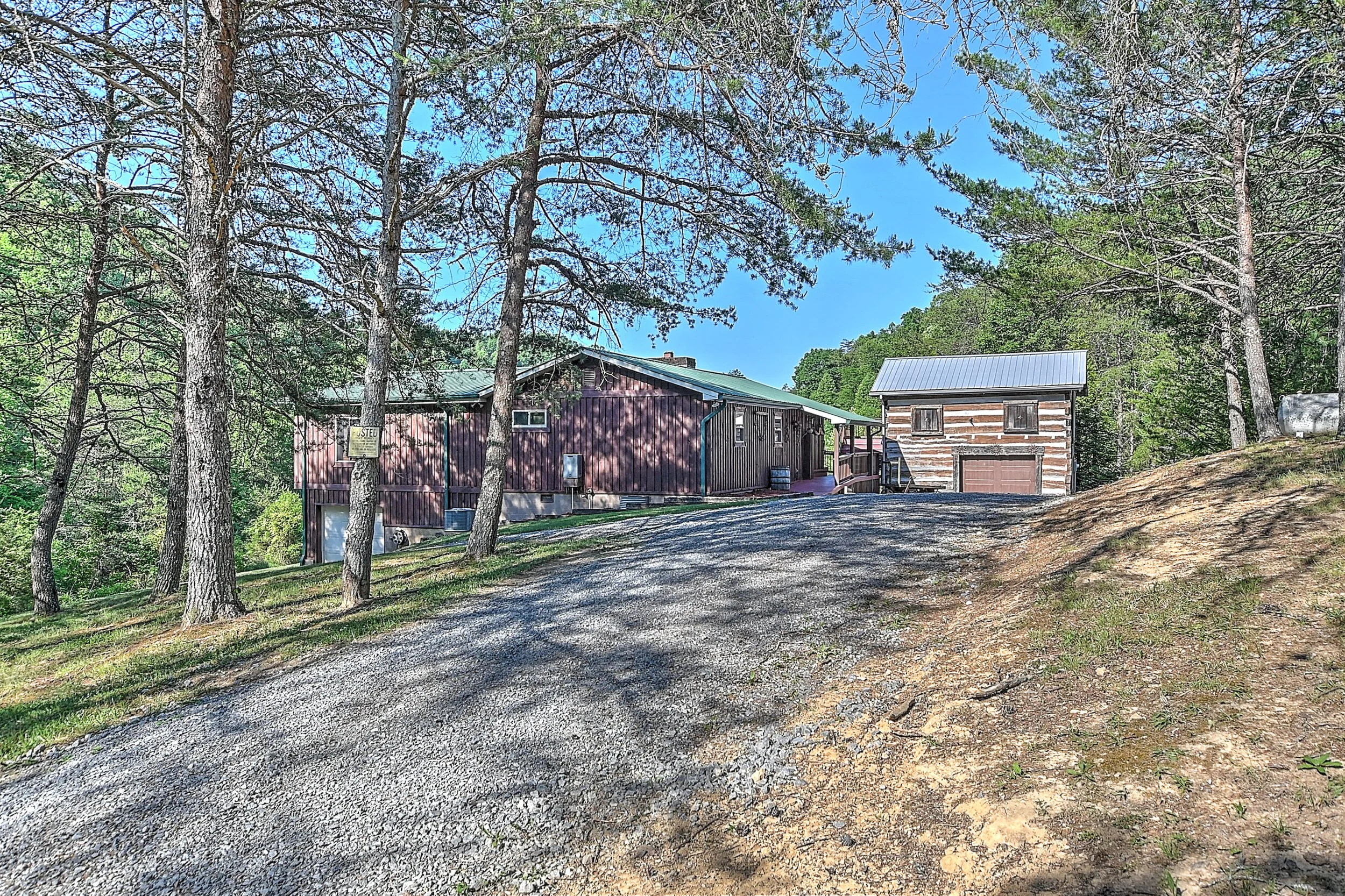
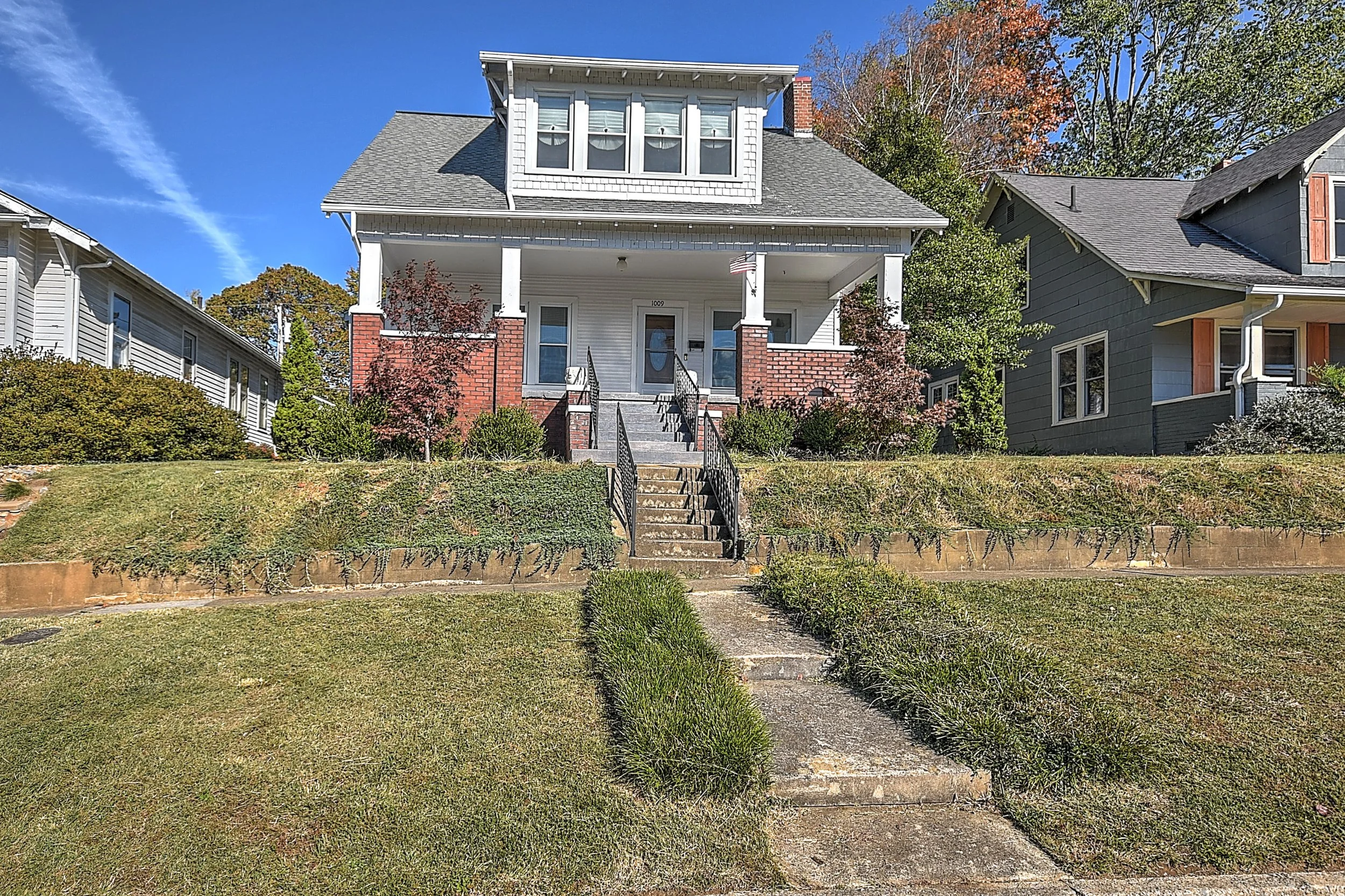
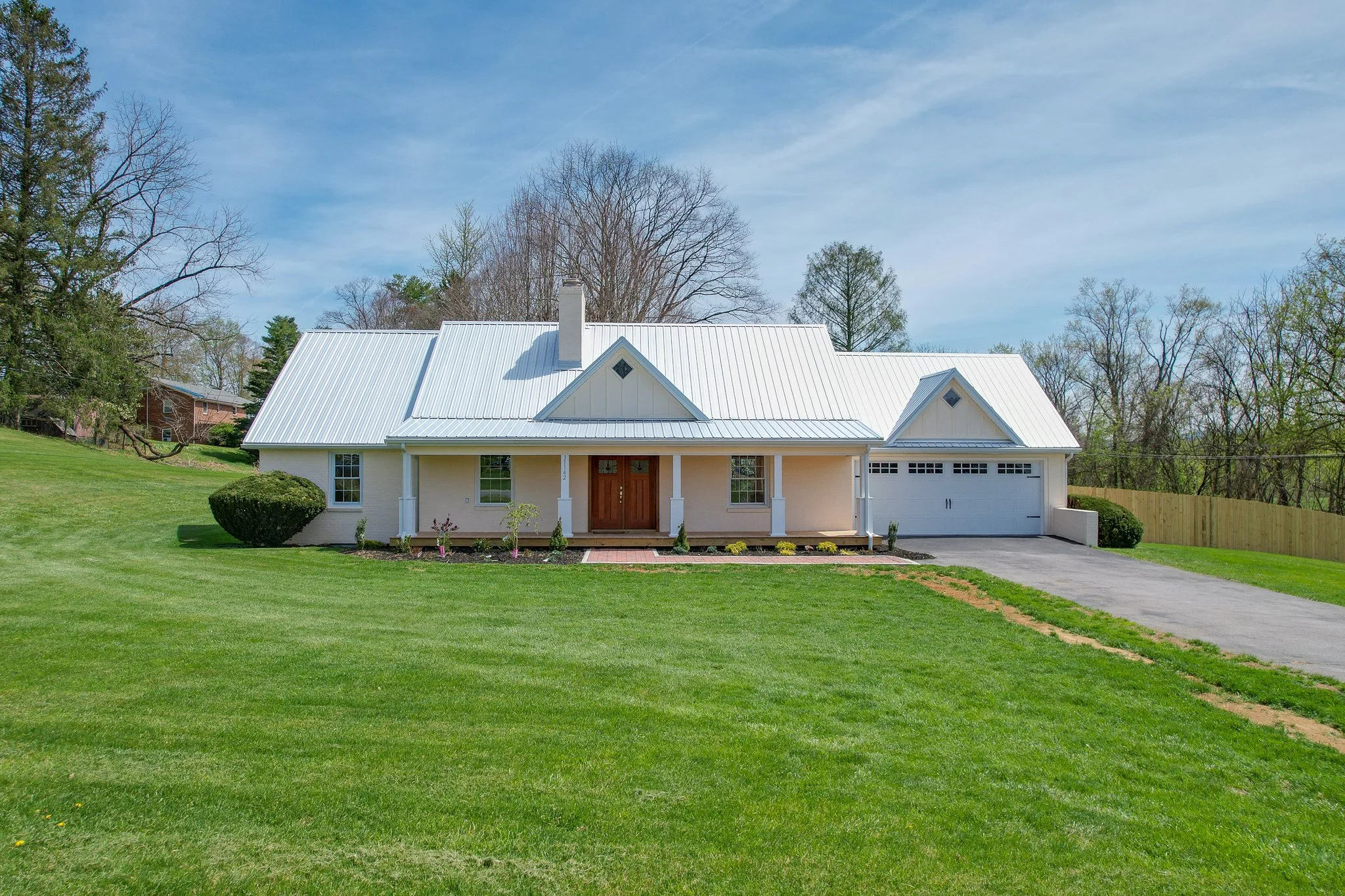
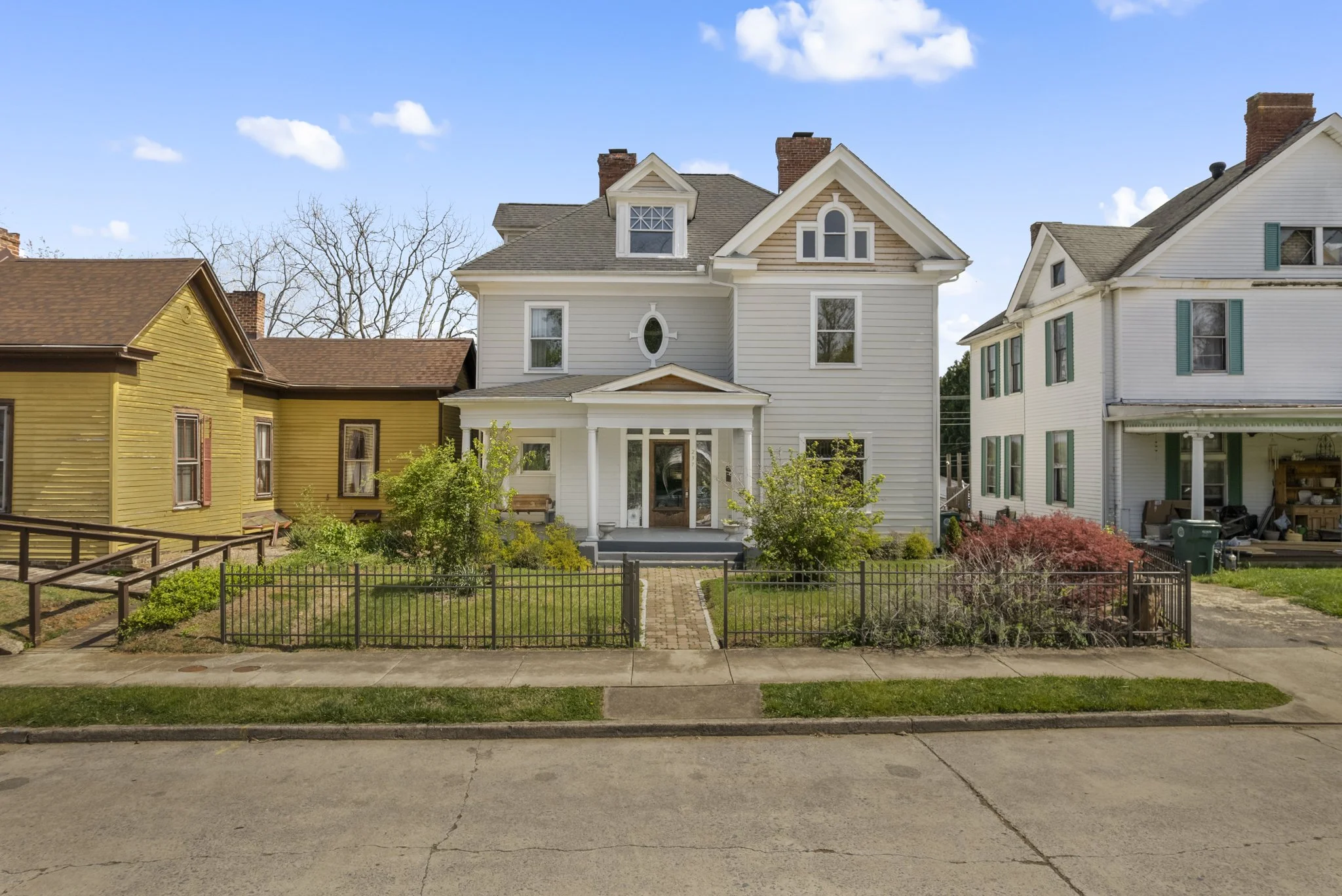
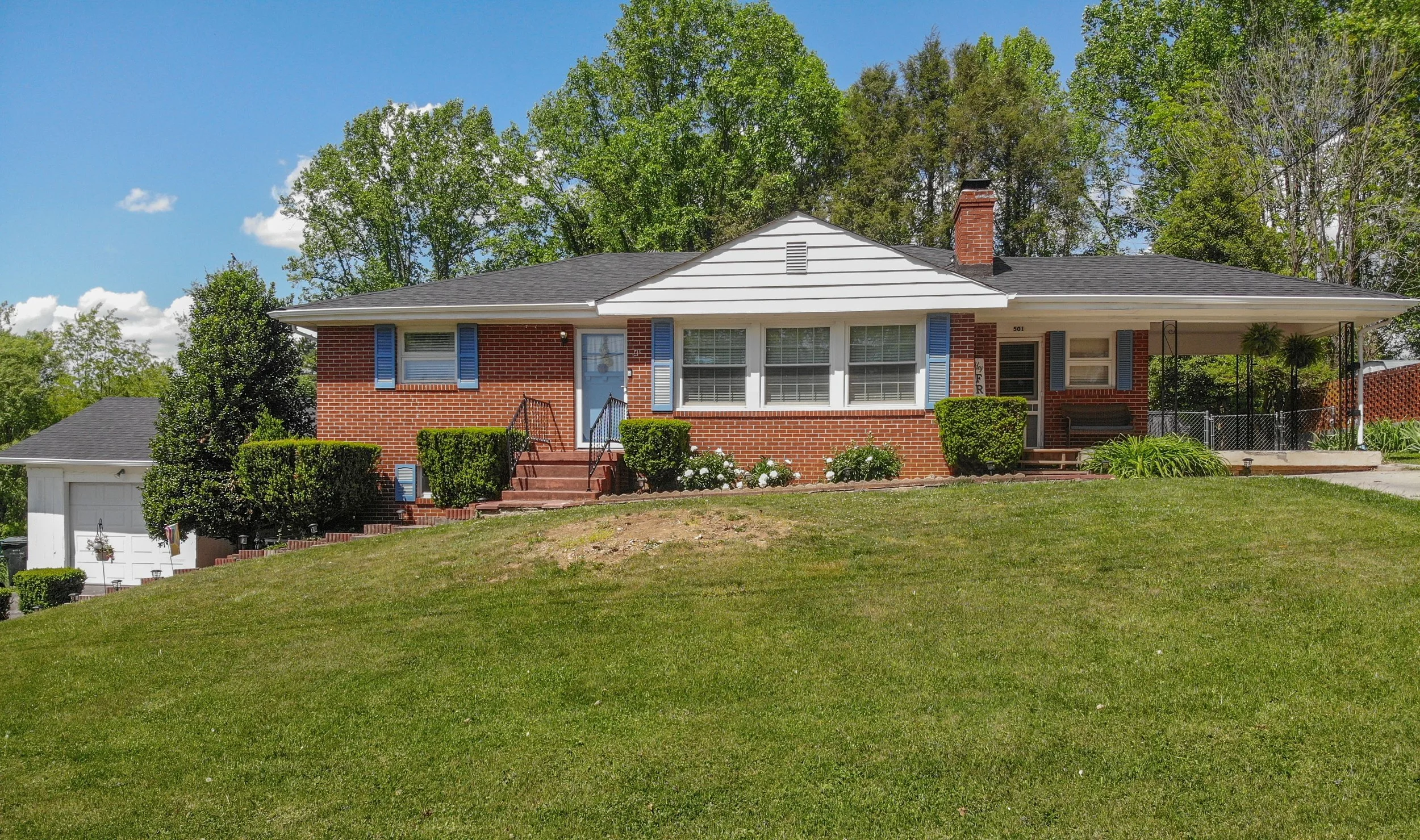
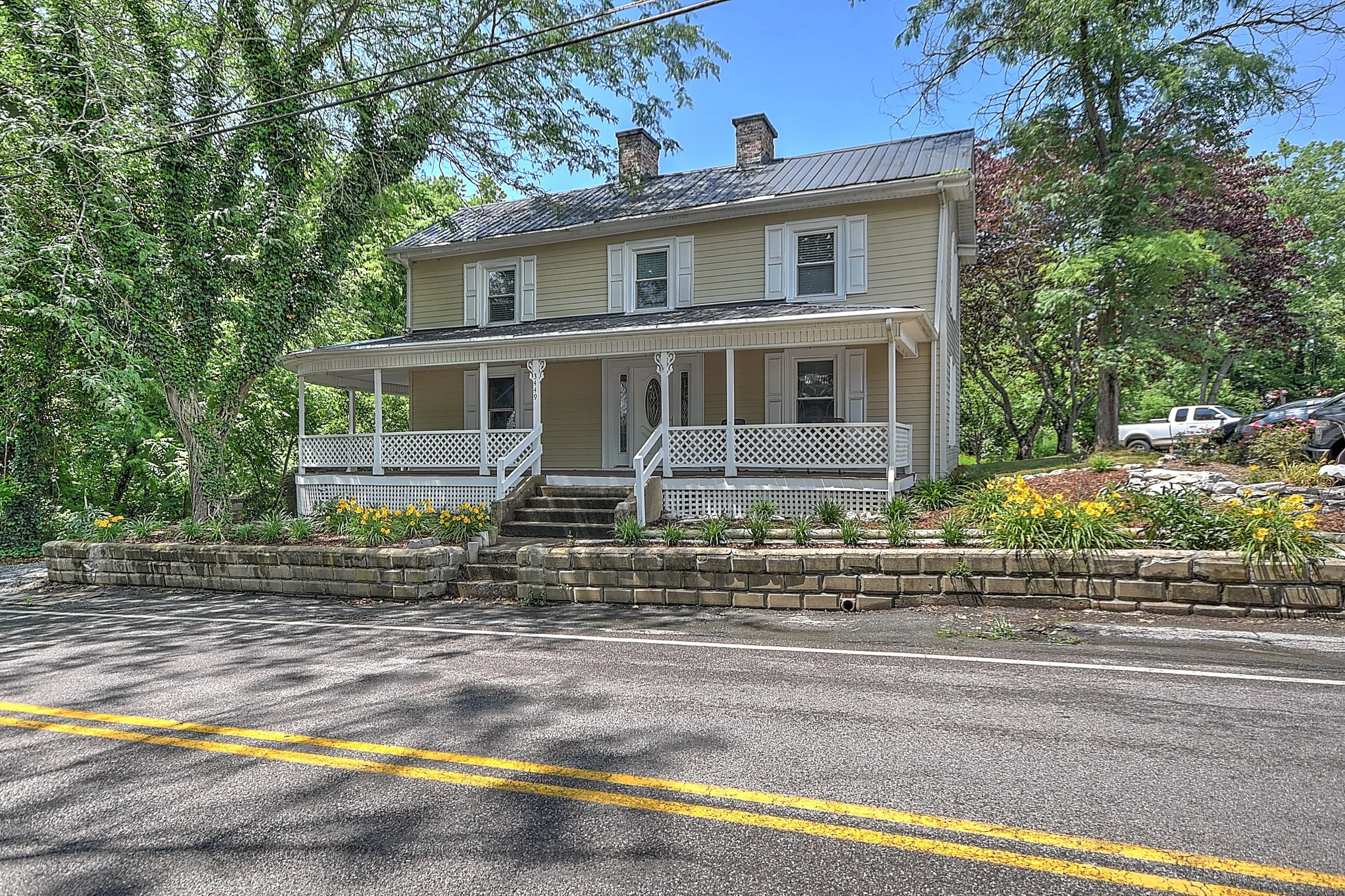
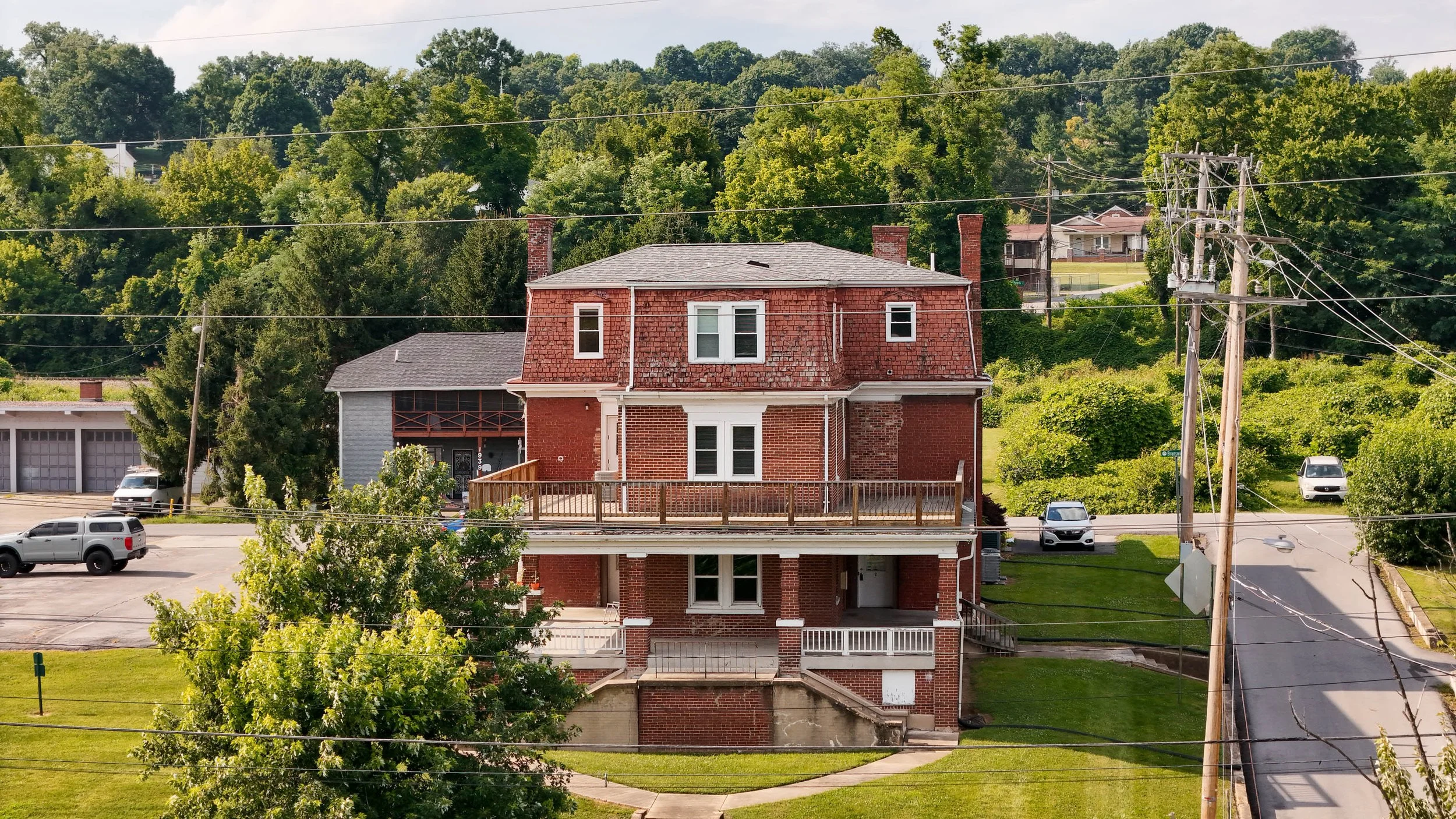
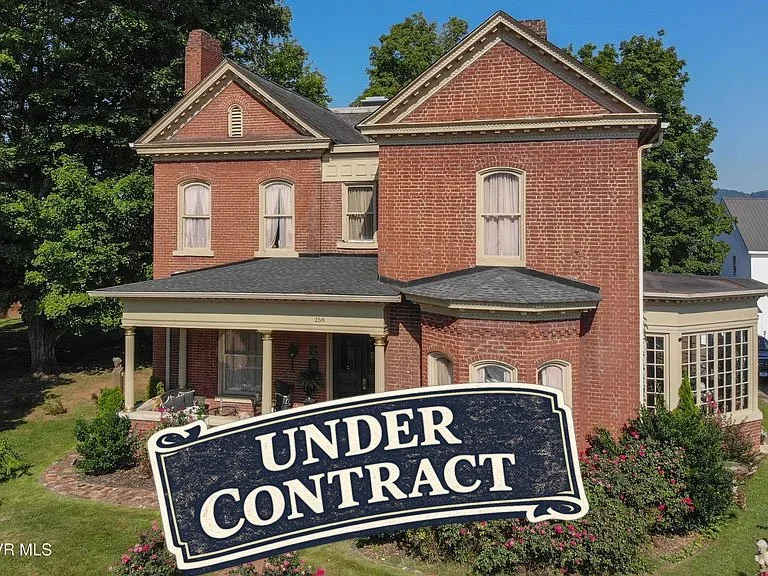
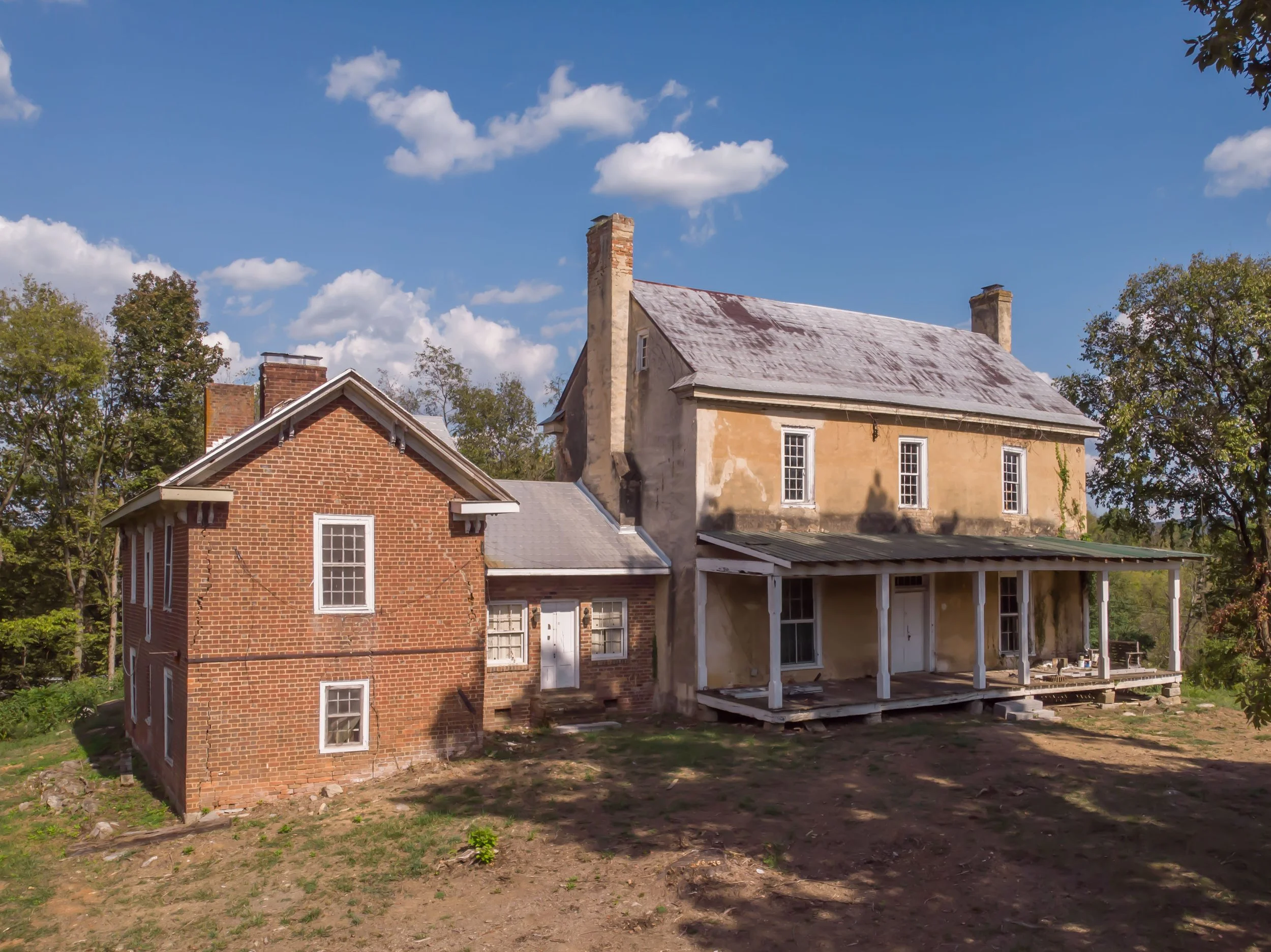



List your property
with The Old House Agent
Newest Listing
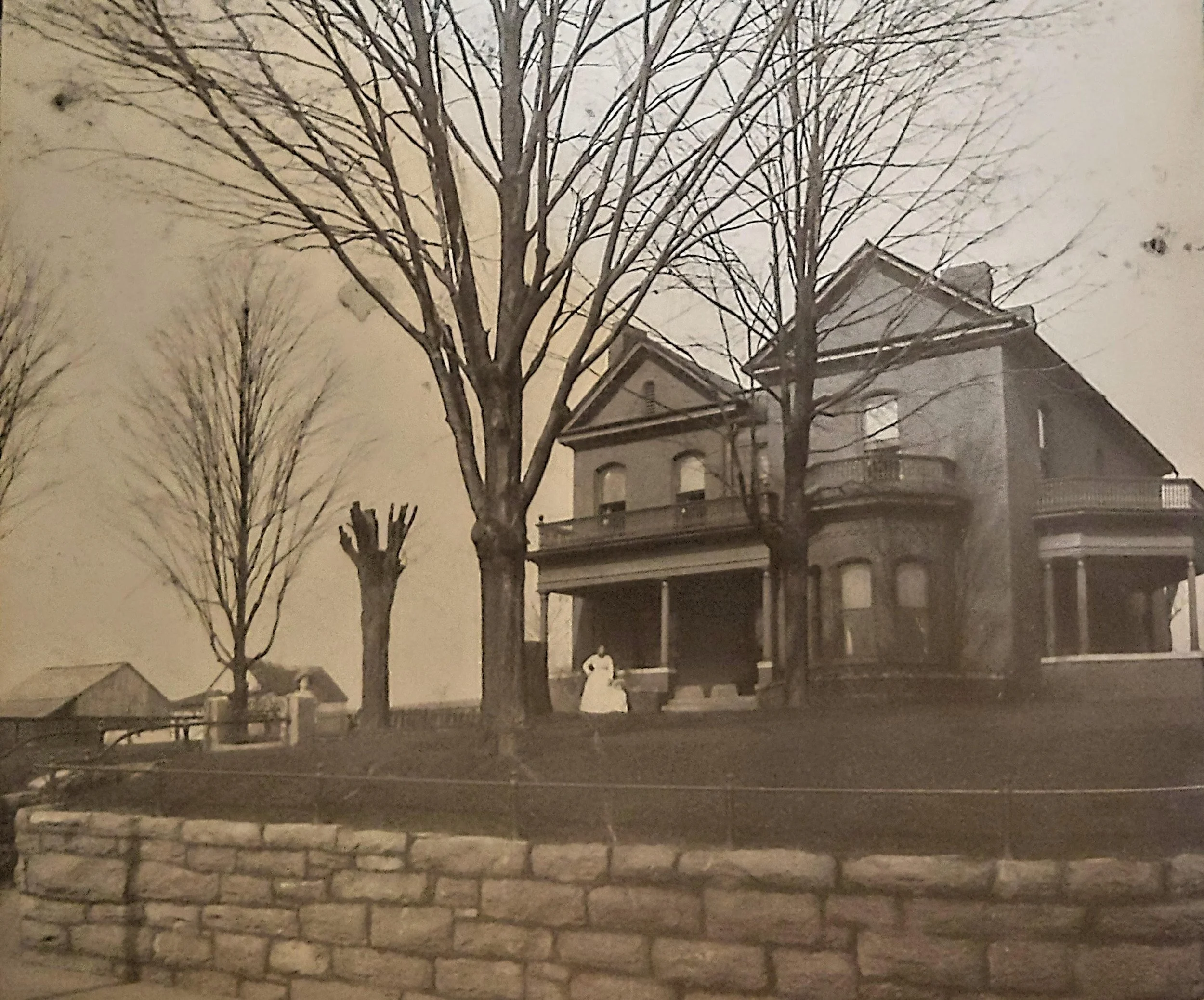
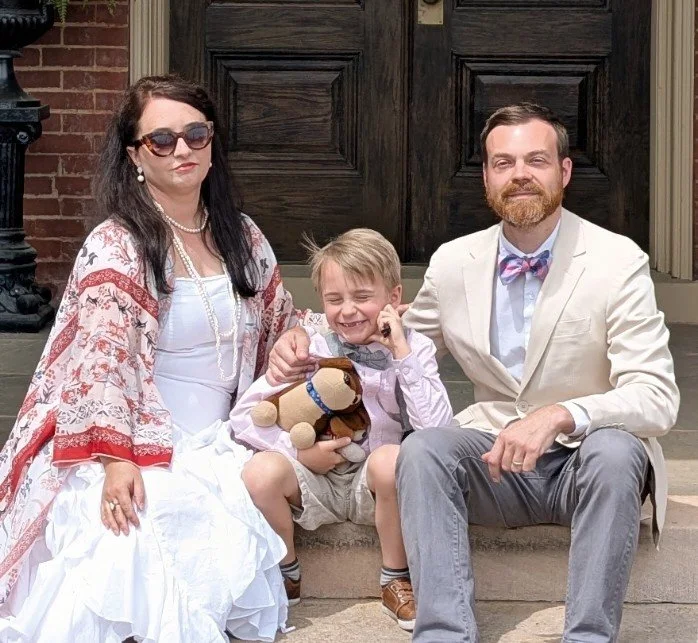
Walking the
Walk…
I am a proud native of Southwest Virginia, born and raised in a holler in Washington County. My mother’s family has called this region home for over 200 years, while my father’s roots here stretch back to the mid 1800s. From the time I was 13, I have been studying and working on old houses, drawn to their stories and craftsmanship. Surrounded by antiques and heirlooms throughout my life, I was taught by my parents to respect and preserve the past—a lesson that has shaped my lifelong passion for historic homes.
What is
Historic
Preservation?
Most people envision a group of little old ladies wearing pearls, trying to save the oldest house in town from demolition. Well, that's kind of how it all started. You see, in 1853, the Mount Vernon Ladies Association was formed to save the home of George Washington. This was essentially the first attempt at Preservation in the U.S.
Since 1853, we've had many other groups and individuals engage in the effort of preserving our history through its structures. Many things have been done in the government, like the Antiquities Act of 1906 and the National Trust for Historic Preservation to promote preservation and conservation. Still, many beautiful historic buildings have been lost since the demolition of Penn Station in 1963.
Since the late '90s, it seems that we are a little more focused, in the United States, on preserving what's left. While we owe a lot to the little old ladies wearing pearls, we cannot limit Preservation to them. Preservation of historic architecture includes many buildings and many income levels.
Perhaps you enjoy going to a local brewery that exists in a 100-year-old building where textiles used to be made. Or you live in a 1950s Ranch House? Or maybe you've visited a cemetery where a loved one is buried and noticed some of the stones there are so old you cannot read the writing anymore. Well, you are likely engaging in some form of Preservation. You see, big old mansions that represent the wealth that existed in the building of our country need to be saved, but the buildings where people worked hard and persevered need to be saved also! And that little two-bedroom house down the street that was built in the 1920s? That needs to be saved too. Preservation is not all about ornate architecture and conservation. It's about adaptability, reuse, and enjoyment of these old buildings. It's about maintaining craftsmanship and artistry from our past. Whether that is a hand-carved corbel or a rough, industrial brick wall.
So, before you think Preservation is for the ultra wealthy and may not involve you, I challenge you to step back and think about what role you can and may already play in this ongoing effort. Your town, my town, and the United States as a whole has lost far too many old buildings and today, more than ever, we need to focus on saving what's left. We need to do this for our children and their children. Tangible evidence of our past must be left in place, because the only way to a better future is to learn from our past.
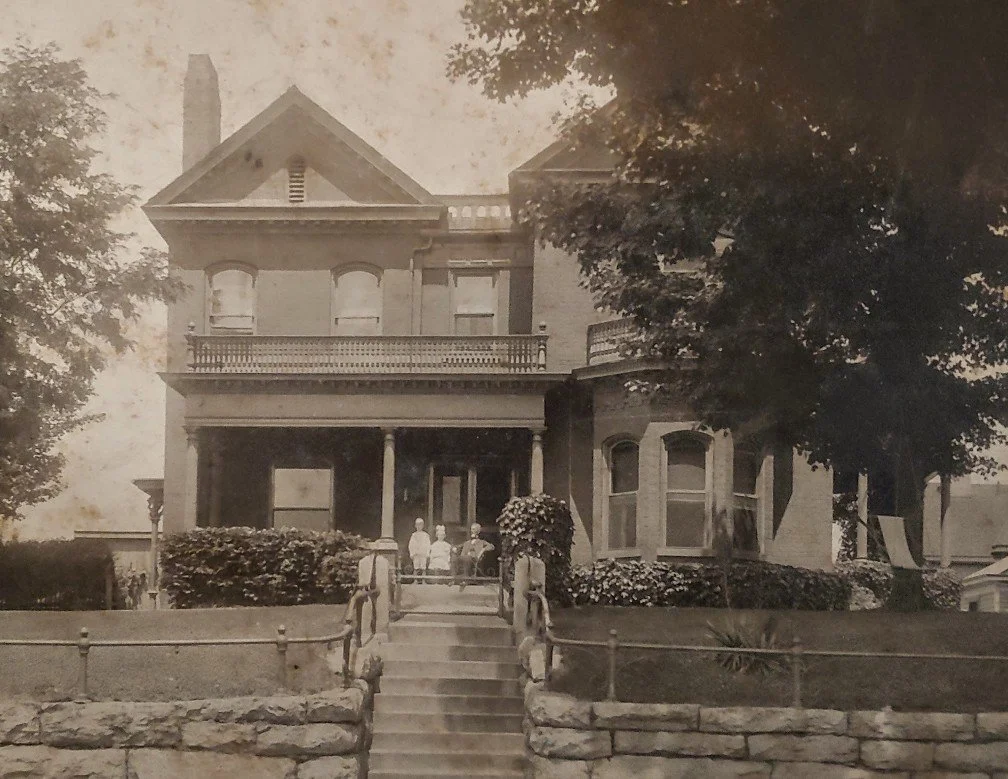
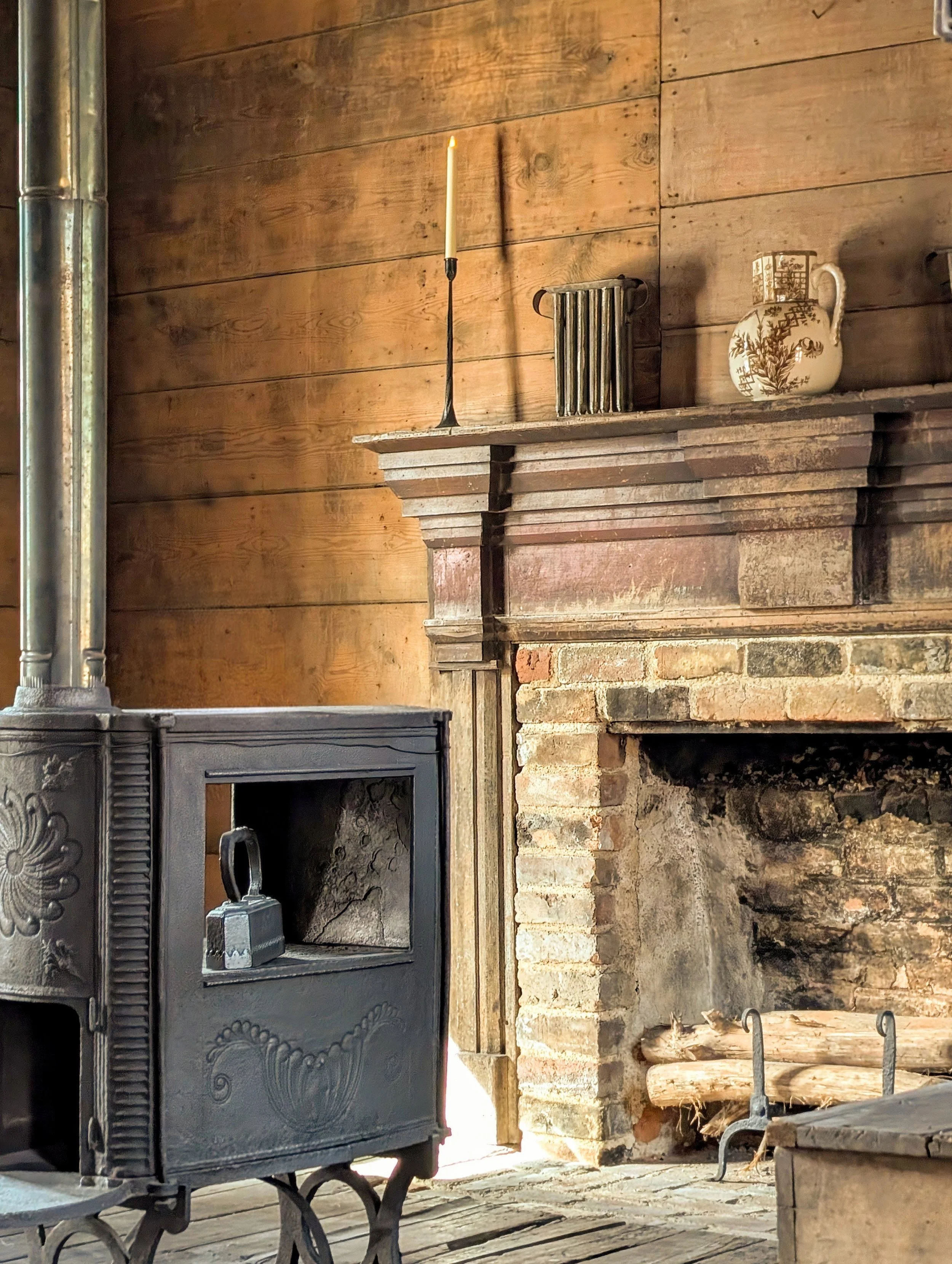
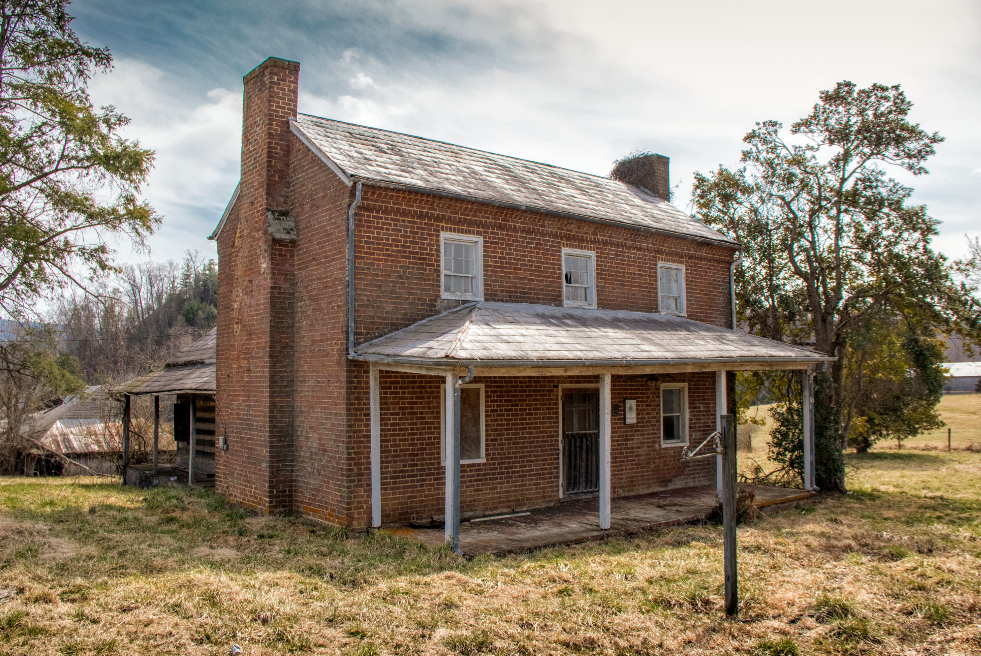
The King House, standing proud on a quiet Bristol street, has watched over two centuries of history unfold. It us the oldest house in Bristol. Built in 1814, it began as a modest 2-over-2 Georgian home with a central hall and two attic rooms reserved for the house slaves who labored there. Three presidents have slept here and the inception of the town happened within its walls. Its sturdy stone foundation and hand-hewn timbers were the work of early craftsmen who built to last, using local materials and skill that has kept the house standing through wars, economic booms and busts, and generations of change. Over time, the King House grew and evolved, reflecting the aspirations of each family who called it home. By the late 19th century, it had undergone multiple renovations, each adding layers of style and character without erasing the original bones.