The National Register
of Historic Places
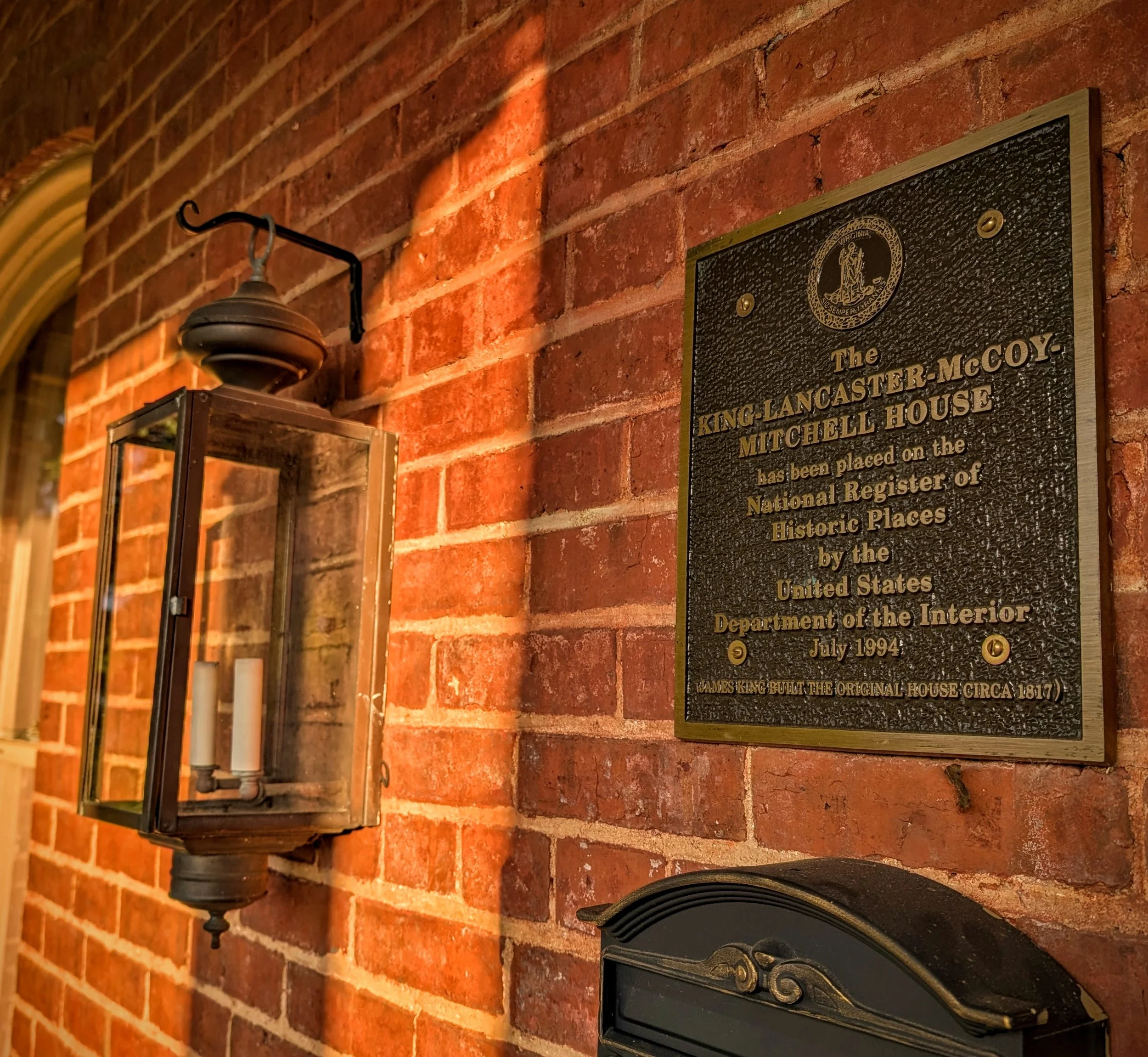
What It Is, What Qualifies, and How to Apply
Owning an old house is a privilege—but owning one that is officially recognized on the National Register of Historic Places (NRHP) adds a layer of prestige and protection. Whether you’re curious about listing your property or simply want to understand what it means, here’s a clear guide to qualifications, benefits, and the application process.
What Is the National Register of Historic Places?
The National Register of Historic Places is the United States’ official list of buildings, sites, structures, districts, and objects that are deemed worthy of preservation. It was established in 1966 under the National Historic Preservation Act and is managed by the National Park Service in partnership with each state’s State Historic Preservation Office (SHPO).
Being listed on the Register doesn’t freeze your property in time or prevent you from making changes—it simply recognizes its significance and can open the door to incentives, grants, and tax credits.
What Qualifies a Property?
To be eligible, a property must meet two broad requirements: age and significance.
1. Age and Integrity
Typically, a property must be at least 50 years old (though exceptions exist for extraordinary significance).
It must retain its integrity—meaning enough of its historic features are intact to convey its original character (location, design, materials, workmanship, feeling, and association).
2. Significance
A property must meet at least one of the National Register’s four main criteria:
Criterion A – Event: Association with significant events that shaped history (e.g., a site of a Civil War skirmish or a key railroad depot).
Criterion B – Person: Connection to the life of a significant individual (e.g., a governor’s residence, or the home of a regional leader).
Criterion C – Design/Construction: Distinctive architecture or craftsmanship; the work of a master builder; an excellent example of a style (e.g., a well-preserved Greek Revival farmhouse or Victorian townhouse).
Criterion D – Information Potential: Potential to yield important information about history or prehistory (common for archaeological sites).
Benefits of Listing
1. Recognition & Prestige
Your property is recognized nationally as historically significant.
2. Financial Incentives
Federal Historic Rehabilitation Tax Credit: 20% credit for qualified rehab of income-producing properties.
State Tax Credits/Grants: In Virginia, a 25% state tax credit can be combined with the federal credit (up to 45% benefit for income-producing properties, and available for owner-occupied homes). Tennessee offers local property tax abatements and periodic state grants for qualifying projects.
3. Protection
Listing does not prevent you from altering your home, but it does require federal projects (like highways) to undergo a Section 106 review to minimize harm to historic properties.
4. Community Impact
Historic districts and listed properties can increase community pride, attract heritage tourism, and stabilize property values.
What Listing Does Not Do
It does not restrict you from selling, remodeling, or even demolishing your property (unless local preservation ordinances apply).
It does not require you to open your home to the public.
It does not automatically lower your property taxes (though local abatements sometimes exist).
The Application Process
Listing on the National Register is a formal nomination process that usually begins with your state’s SHPO.
Step 1: Preliminary Evaluation
Contact your State Historic Preservation Office (SHPO) with photos and a description of your property.
In Virginia: Department of Historic Resources (DHR).
In Tennessee: Tennessee Historical Commission (THC).
They will evaluate whether your property is a good candidate.
Step 2: Research & Documentation
You (or a hired consultant) prepare a detailed nomination form including:
Historical narrative
Architectural description
Maps, site plans, and photographs
Supporting documents should show how your property meets at least one eligibility criterion.
Step 3: State Review Board
The nomination is reviewed by the State Review Board, a panel of historians, architects, and archaeologists.
If approved, it is forwarded to the National Park Service for final review.
Step 4: National Park Service Listing
NPS reviews and, if criteria are met, officially lists the property in the National Register.
The process typically takes 12–18 months from start to finish.
Who Can Nominate a Property?
Property owners
Historical societies
Preservation consultants
Local governments or planning commissions
> Note: If a majority of property owners in a proposed historic district object, the district will not be listed, but properties may still be determined eligible—useful for tax credit purposes.
Costs & Considerations
Preparing a nomination can be time-intensive. Many homeowners hire preservation consultants for professional research, photography, and documentation.
Fees vary widely depending on complexity—small single-property nominations are less expensive than large district nominations.
Once listed, maintaining historic integrity is key if you plan to take advantage of credits or grants.
Final Thoughts
Being listed on the National Register of Historic Places is both an honor and a practical advantage for old-house owners. It validates the history of your property, provides access to valuable tax incentives, and ensures that your home’s story is preserved for future generations.
If you’re considering a nomination, I can help connect you with resources, consultants, and preservation offices in Virginia and Tennessee who specialize in shepherding properties through the process.