Protect Your Family From Lead in Your Home
(U.S. Environmental Protection Agency, U.S. Department of Housing and Urban Development, U.S. Consumer Product Safety Commission – March 2021)
IMPORTANT!
Lead from paint, dust, and soil in and around your home can be dangerous if not managed properly.
Exposure to lead is especially dangerous to children under age 6 and pregnant women.
Lead exposure can harm your child’s brain, nervous system, growth, behavior, and ability to learn.
CHECKING YOUR HOME FOR LEAD
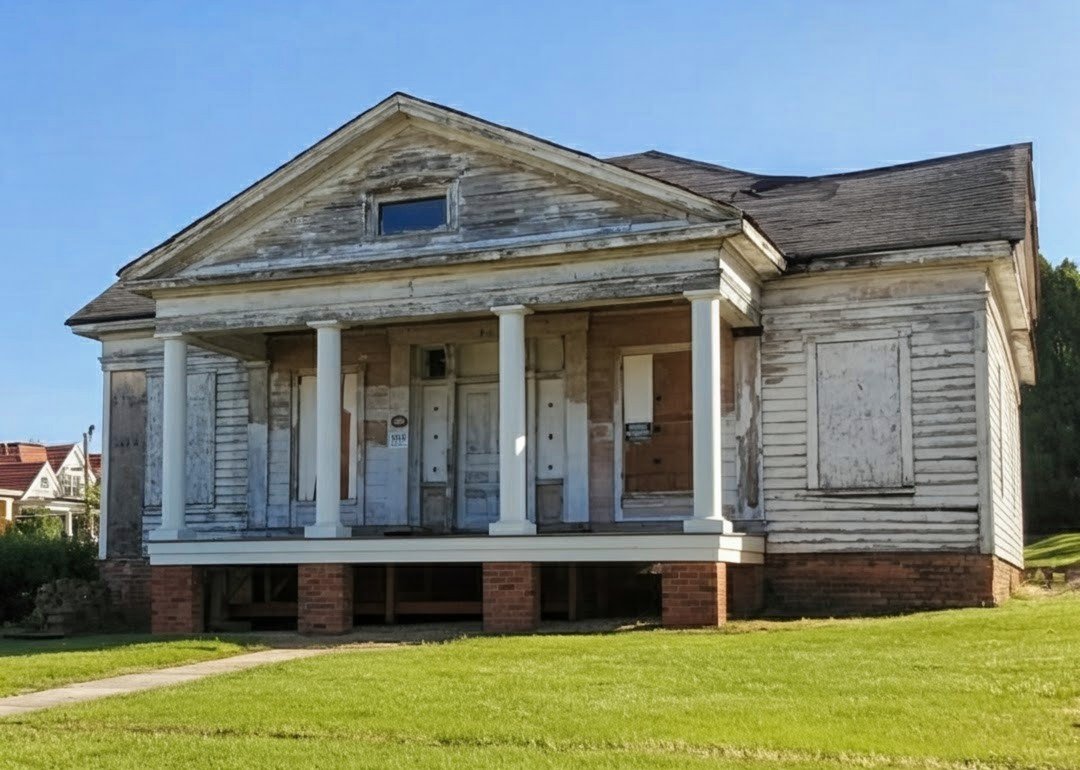
Homes built before 1978 are more likely to contain lead-based paint.
Lead-based paint that is in good condition is usually not a hazard.
Peeling, chipping, chalking, or cracking paint can create lead dust and expose residents.
Friction surfaces like windows and doors are common lead dust sources.
To know for sure, hire a certified lead-based paint inspector or risk assessor.
CHECKING YOUR FAMILY FOR LEAD
Children under age 6 are most at risk.
A simple blood test can detect lead.
Consult your doctor or local health department to arrange testing.
Children in homes built before 1978 should be tested regularly.
PROTECTING YOUR FAMILY EVERY DAY
Keep painted surfaces in good shape.
Clean floors, window sills, and other surfaces often with a damp mop or cloth.
Wash children’s hands, bottles, pacifiers, and toys often.
Ensure children eat nutritious meals low in fat and high in calcium and iron—this reduces lead absorption.
REMODELING OR RENOVATING?
Do not sand, scrape, or burn painted surfaces yourself.
Use only EPA- or state-certified renovators trained in lead-safe work practices.
Renovation, repair, and painting jobs in pre-1978 housing must follow federal law requiring certified contractors.
LANDLORD & SELLER REQUIREMENTS
Federal law requires that:
Sellers and landlords of housing built before 1978 must disclose known information on lead-based paint and lead hazards before a lease or sale.
Real estate contracts must include a Lead Warning Statement and confirm disclosure has been made.
Buyers have up to 10 days to conduct a lead inspection or risk assessment at their own expense.
Landlords must provide this pamphlet to tenants before lease agreements are signed.
WHAT YOU CAN DO IF YOU RENT OR BUY
Ask the seller/landlord about lead hazards.
Get an independent lead inspection.
Negotiate repairs or maintenance if hazards are found.
Keep the home well maintained to prevent deterioration.
RESOURCES
For more information:
National Lead Information Center: 1-800-424-LEAD (5323)
EPA Lead Information: www.epa.gov/lead
HUD Lead Office: www.hud.gov/lead
Consumer Product Safety Commission: www.cpsc.gov